

The Next Phase of Sustainability Starts at the Product Level
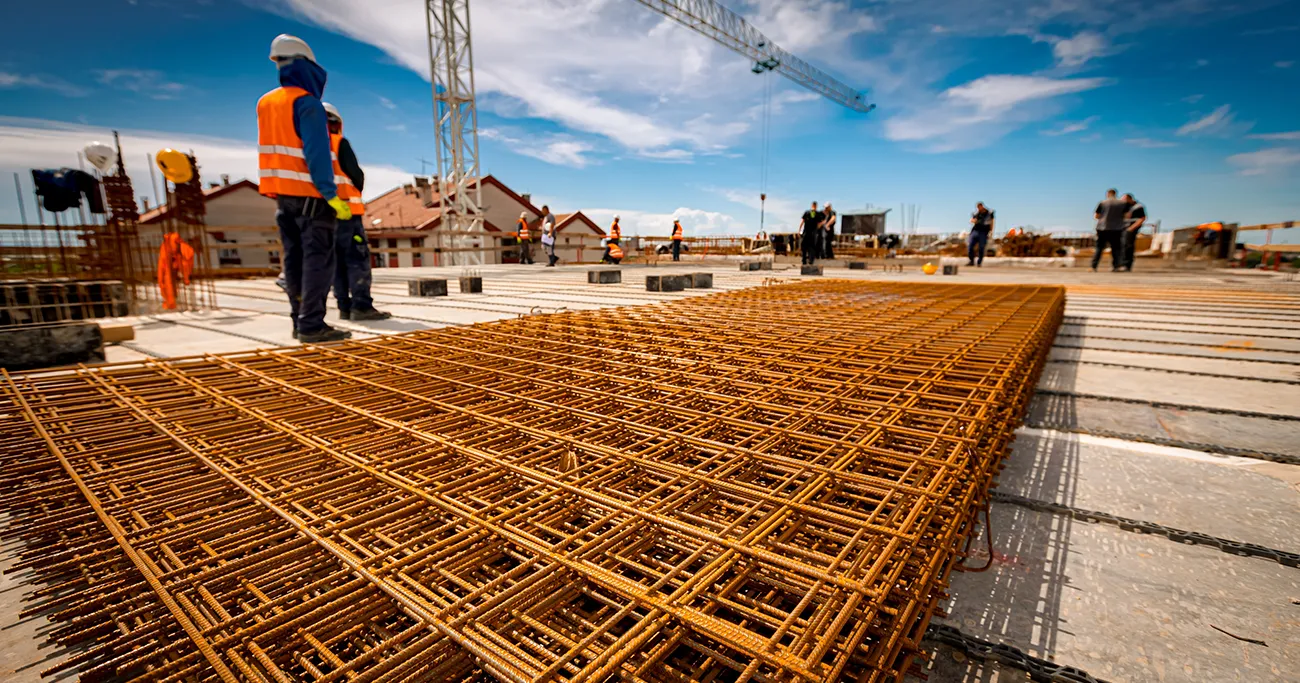
Over the past several years, sustainability efforts across the built environment have concentrated primarily on buildings and infrastructure. Significant progress has been made through the systematic tracking of carbon emissions, optimization of operational footprints, development of performance benchmarks, and establishment of regulatory frameworks. These initiatives have delivered tangible improvements and have helped mature sustainability practice at the asset and project level.
As this maturity has been reached, attention is increasingly shifting beneath the visible layer of buildings and infrastructure to the products, materials, and components that form their foundation. Achieving deeper and more durable sustainability outcomes now depends on understanding and managing impacts at the product level, where a substantial portion of environmental burden is embedded.

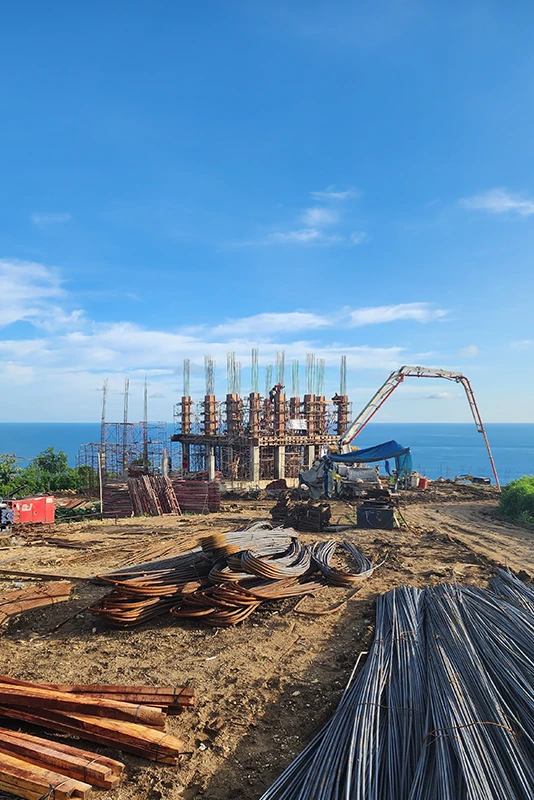
From Macro Sustainability Outcomes to Component Accountability
For many years, environmental performance at the product level remained a secondary consideration. It was often addressed through voluntary eco-labels, limited environmental declarations, or ad-hoc project-specific requirements introduced in response to client expectations. While such approaches played an important role in the early evolution of sustainability practice, they no longer reflect the level of rigor now required.
Sustainability outcomes today are increasingly driven by verified data rather than assumptions. Without robust product-level information, assessments of environmental performance remain incomplete. The environmental footprint of a building or infrastructure project cannot be accurately determined without understanding the impacts associated with the materials and components from which it is constructed. In the absence of this data, a critical portion of sustainability analysis lacks empirical grounding and limits informed decision-making.
Why Product Life-Cycle Thinking is Critical
- The environmental impact of a product extends far beyond its installation and operational phases. In many cases, raw material extraction, manufacturing processes, transportation, and upstream energy consumption account for a substantial share of total environmental impact, often exceeding operational emissions.
- Life Cycle Assessment (LCA) provides a structured and internationally recognized framework for evaluating these impacts across all stages of a product’s life. By considering the full life cycle, LCA helps prevent the unintended shifting of environmental burdens from one stage to another and supports more balanced and responsible decision-making.
- Importantly, sustainability assessment can no longer focus on carbon emissions alone. While climate impact remains a central concern, it represents only one dimension of environmental performance. Resource depletion, water use, emissions to air and water, and other life-cycle impact categories must also be evaluated to ensure that sustainability decisions are comprehensive.
From Early Adoption to Sector-Wide Expectation
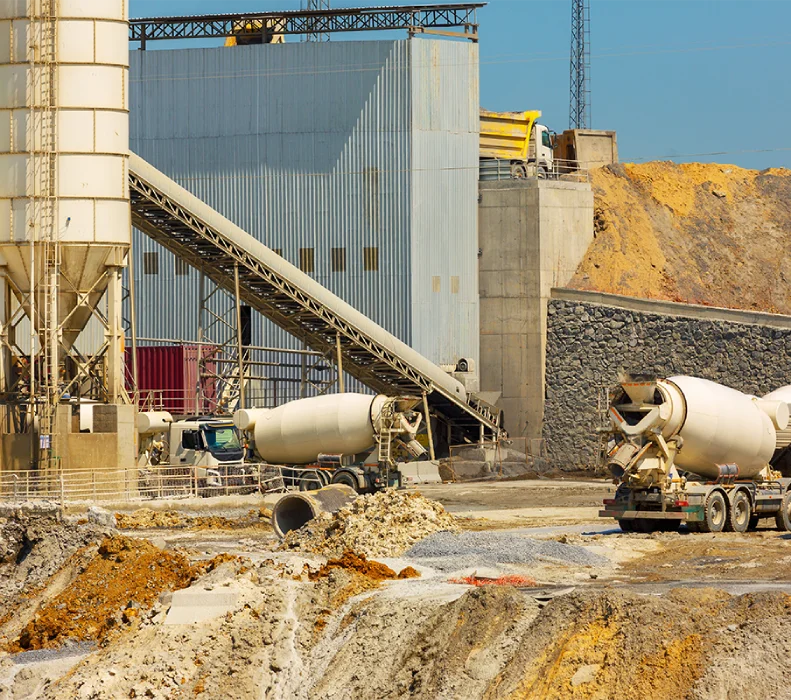
This shift toward life-cycle thinking is already beginning to take shape within the region. A growing number of ready-mix concrete producers have started to adopt product-level life-cycle assessment and Environmental Product Declarations (EPDs), driven by a combination of market demand, certification requirements, and emerging policy signals. These early adopters are demonstrating how product transparency can be integrated into established industrial processes without disrupting core operations.
As concrete represents one of the most material-intensive and carbon-intensive inputs in the built environment, its early movement toward product-level disclosure is particularly significant. This trend is increasingly setting expectations for transparency and accountability that extend beyond a single product category. Over time, similar requirements are likely to be applied across the wider construction materials sector, including steel, insulation, finishes, and building systems, as sustainability frameworks continue to evolve.
Environmental Product Declarations as the Missing Link
-
As life-cycle assessment becomes more widely applied, the focus naturally shifts from analysis to disclosure. Environmental Product Declarations (EPDs) provide the mechanism through which life-cycle data is translated into structured, verified, and comparable information that can be used across design, procurement, certification, and reporting processes.
-
EPDs do not rank products or claim environmental superiority. Their value lies in transparency, consistency, and credibility. The methodological foundations for EPDs are already well established; what is changing is their relevance and level of adoption across industries.
-
Within this evolving landscape, the International Green Mark (IGM) has been developed to support the normalization of product-level life-cycle assessment and Environmental Product Declarations. The framework operates through a structured and independently governed system that aligns robust LCA methodologies, third-party verification, and credible disclosure pathways, enabling product data to be used with confidence.

Why EPDs Matter Now
Organizations are increasingly expected to demonstrate environmental accountability beyond their direct operations. Product-level LCAs and EPDs support Corporate Social Responsibility commitments to be supported by verifiable data, shifting sustainability from narrative statements to measurable performance.
Green building certification systems are also placing growing emphasis on product transparency. As these frameworks become more detailed and performance-driven, the environmental credentials of materials and components directly influence overall project outcomes and ratings.
At the same time, regulatory and trade developments are reinforcing the need for product-level environmental disclosure. Emerging policies related to carbon intensity and embodied emissions require manufacturers and exporters to quantify and communicate the environmental impacts embedded within their products. In this context, EPDs serve a dual role: supporting sustainability objectives while helping organizations maintain regulatory compliance and market access.
Moving Beyond Voluntary Practice
The transition from voluntary sustainability initiatives to standard practice has already occurred at the building and infrastructure level. Product sustainability is now approaching a similar inflection point.
Normalizing life-cycle assessment and Environmental Product Declarations strengthens accountability across the value chain, from design and manufacturing through to procurement and specification. Access to verified product information enables informed decision-making, while third-party verification provides the credibility required for confidence and comparability.
Life-cycle assessment, supported by Environmental Product Declarations, allows sustainability to move from strategic intent to measurable, actionable outcomes. This progression does not represent a disruption of current practice, but rather its logical and necessary evolution.