
The Rise of Performance-Driven Buildings: Rethinking Energy Management in a Net-Zero World
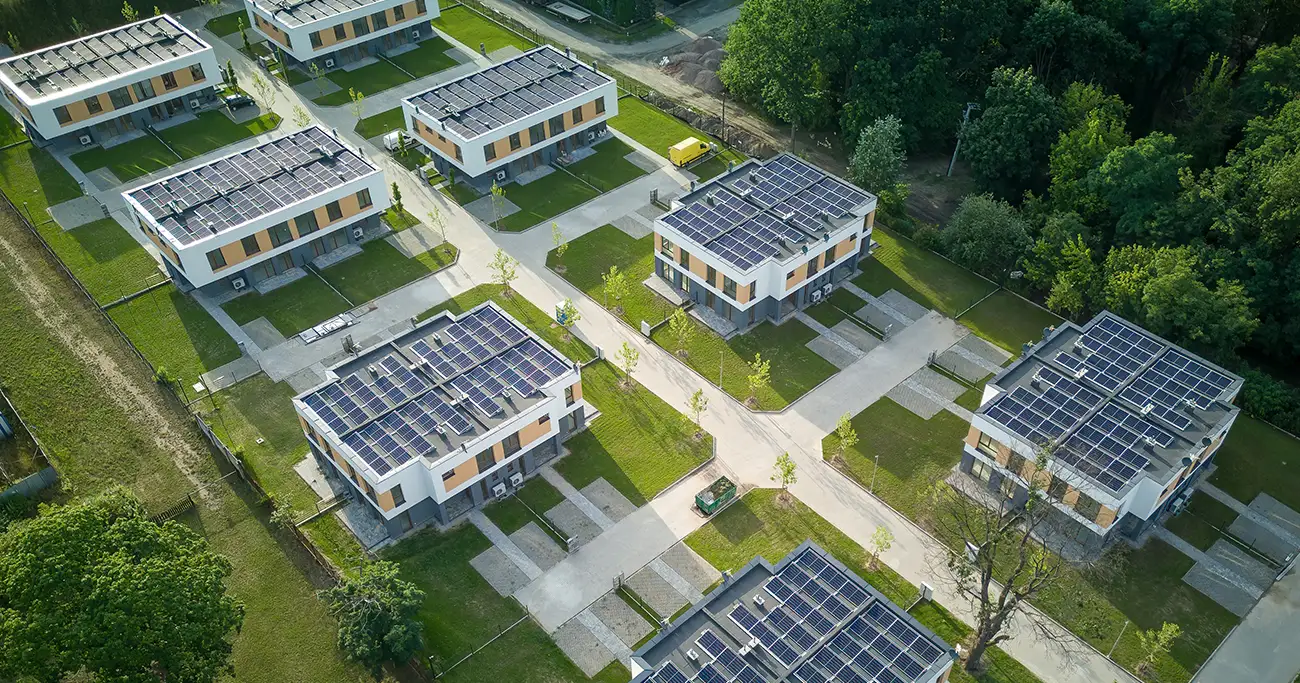
Buildings now sit at the center of the global energy and climate conversation. Insights from the World Economic Forum (WEF) suggest that buildings account for roughly 40% of global energy consumption and a significant share of carbon emissions. What was once viewed as a purely operational concern has evolved into a strategic issue tied to urban growth, digitalization, energy security, and climate resilience.
Across regions and markets, one message is clear: theoretical efficiency is no longer sufficient. Building owners, regulators, and investors increasingly demand verifiable outcomes, measurable performance, and proof that every design and operational decision genuinely reduces energy use. This shift marks a fundamental reframing of energy management—from static assessments to continuous, performance‑driven decision‑making across the entire building lifecycle.
Why Energy Management has become a center stage for Global Sustainability Goals
Rising Demand and Constrained Energy Systems
Population growth, rapid urbanization, data intensive economies, and extreme climate conditions are placing unprecedented stress on power networks. High performing buildings reduce peak demand, ease pressure on utilities, enhance grid reliability, and deliver tangible operational savings for owners and occupants.
Climate Commitments and Net Zero Pathways
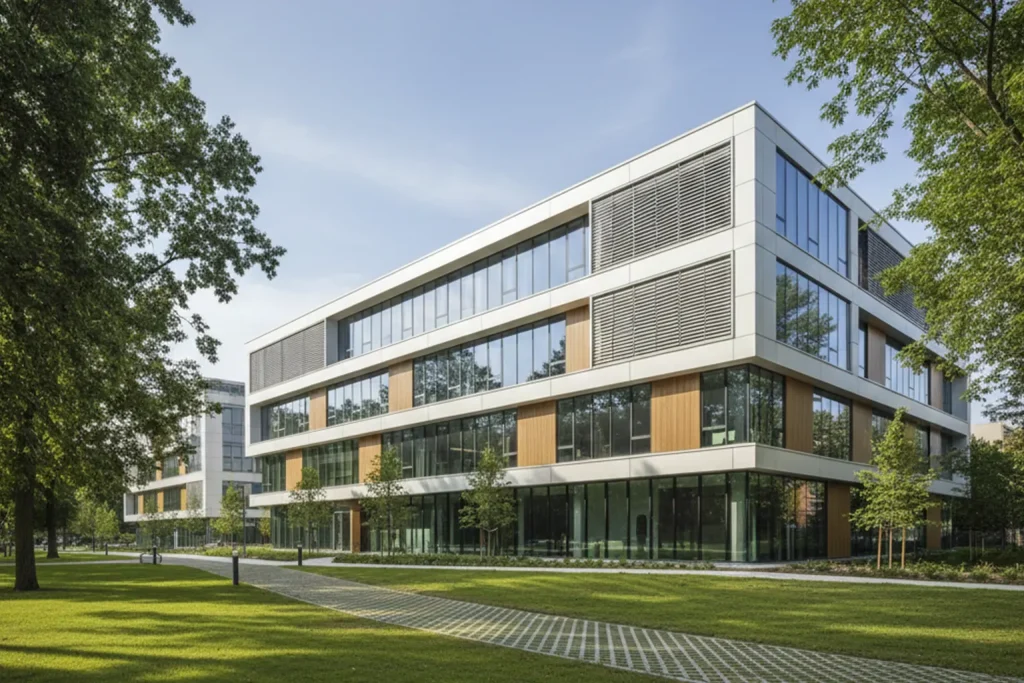
From the Paris Agreement to national and municipal net zero roadmaps, buildings are expected to deliver a substantial share of emissions reductions. Improving building energy performance remains one of the fastest and most cost effective decarbonization strategies available.

Transparency and Accountability
Energy use is no longer invisible. Benchmarking ordinances, operational ratings, ESG disclosures, and investor reporting frameworks are becoming standard practice. These requirements are accelerating the global shift toward structured, data driven energy performance governance.
The Evolving Role of Energy Audits
Energy audits have long formed the backbone of energy management – identifying inefficiencies, establishing baselines, and recommending improvements. Today, however, their role is expanding well beyond one‑time assessments.
Modern energy audits increasingly serve as the entry point to continuous performance management, enabling:
- Ongoing performance monitoring rather than periodic reviews
- Integration with digital metering and analytics platforms
- Predictive maintenance and operational optimization
- Evidence‑based decision‑making supported by real data
In this new context, audits are no longer compliance exercises. They are strategic tools that support continuous improvement, allowing operators to fine‑tune performance in real time rather than react years after systems are installed.
Simplifying Analysis: Removing Barriers to Better Decisions
While detailed energy modeling remains valuable, it has often been criticized for being time‑consuming, complex, and poorly aligned with fast‑moving design and operational decisions.
To support modern energy management, a new generation of performance tools is emerging – tools designed to prioritize:
- Speed over complexity
- Clarity over technical burden
- Scenario testing over single point results
- Accessible insights over specialist only workflows
This evolution empowers engineers, facility managers, and decision‑makers to rapidly explore options, understand trade‑offs, and evaluate the energy impact of envelope, system, and operational choices without navigating exhaustive simulation environments.
Performance-based energy assessment platforms such as Energia Suite illustrate this transition. Built on robust, industry‑validated methodologies and adaptable across climates and building typologies, this AI platform enables users to quickly understand how design and system decisions influence overall energy demand. Its purpose is not to replace advanced simulation, but to make performance intelligence accessible earlier and more frequently throughout design and operation.
A Structured Pathway to Reducing Building Energy Demand
Global research and practical experience consistently show that lasting energy reductions come from integrating multiple layers of strategy.

Passive measures reduce a building’s inherent energy demand before mechanical systems are even considered. Typical strategies include:
- Improved insulation and optimized façade assemblies
- High‑performance glazing
- Effective shading and solar control
Because they permanently reduce heating and cooling loads, passive measures often deliver the highest long‑term value.
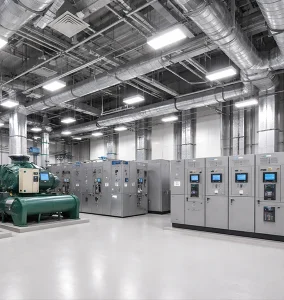
With demand minimized, efficient systems ensure that remaining energy use is as low as possible. Common measures include:
- High‑efficiency HVAC equipment
- Variable‑frequency drives
- Energy‑efficient lighting
- Intelligent controls and occupancy‑based operation
These upgrades deliver consistent reductions in energy intensity while improving comfort and operational resilience.

Finally, on‑site renewable energy offsets the remaining demand. When combined with optimized envelopes and high‑efficiency systems, renewables can dramatically reduce a building’s operational carbon footprint.
Evaluating these strategies together is where energy management becomes transformative.Performance platforms like Energia Suite allow users to compare scenarios, quantify combined impacts, and make decisions based on measurable outcomes rather than assumptions.

The Future: Continuous Performance Governance
The global building sector is steadily moving toward continuous performance governance—a lifecycle‑based approach in which buildings are monitored, evaluated, and refined over time.
Key elements of this framework include:
- Ongoing energy benchmarking
- Integrated analytics within facility operations
- Automated alerts for performance drift
- Periodic re‑audits to track improvement
- Stronger alignment between design intent and operational reality
In this environment, simplified performance analysis plays a critical role. Early‑stage insights guide better design decisions, operational data supports ongoing tuning, and lifecycle performance informs future retrofit strategies.
Digital platforms such as Energia Suite help bridge these stages by offering a consistent, transparent methodology from concept through operation—without overwhelming users with unnecessary technical complexity.
Energy Management as a Strategic Imperative
The building industry has reached a turning point. Rising energy demand, tightening regulations, and ambitious climate commitments are forcing a fundamental rethink of how buildings are designed, operated, and evaluated.
Energy management is no longer a technical afterthought. It is becoming an organizational discipline, embedded within governance, investment decisions, and long-term asset strategy. Supported by digital tools and performance-driven thinking, decisions can now be made faster, with greater clarity and confidence.
By embracing continuous performance management and accessible analytics, the global building sector can deliver a new generation of low-carbon, resilient, and high-performing buildings—creating lasting value for cities, communities, and the energy systems that support them.